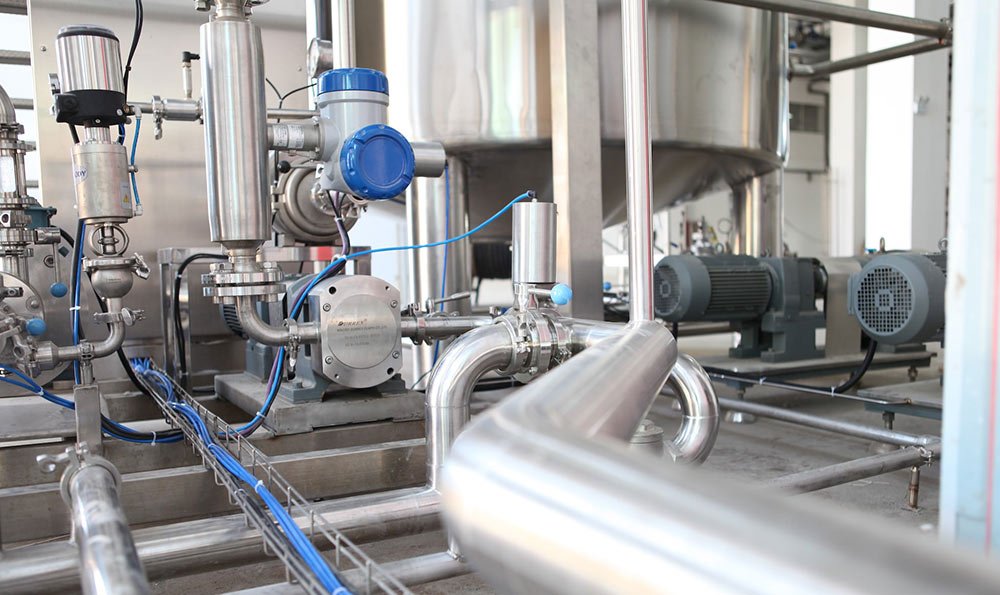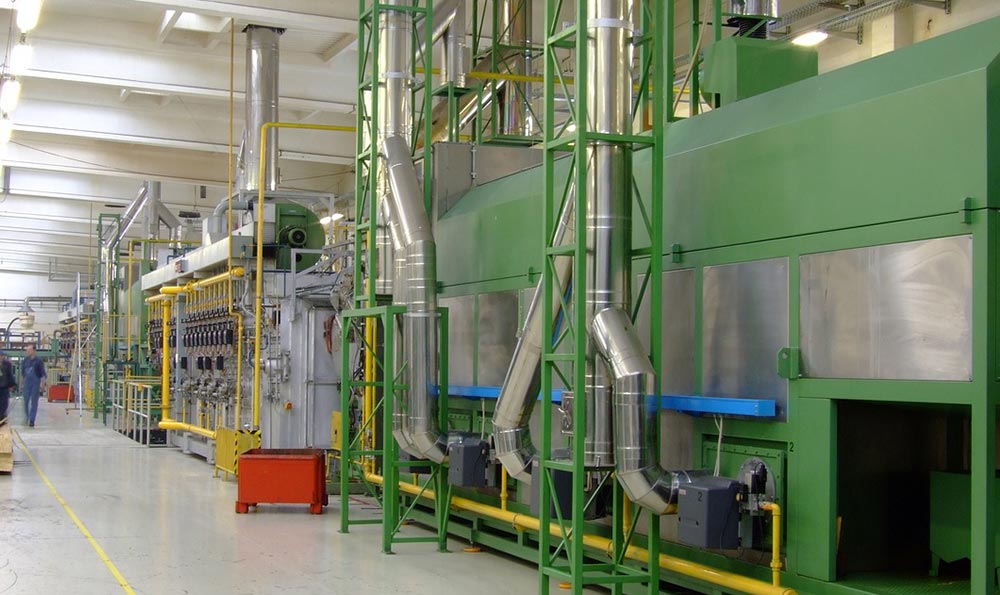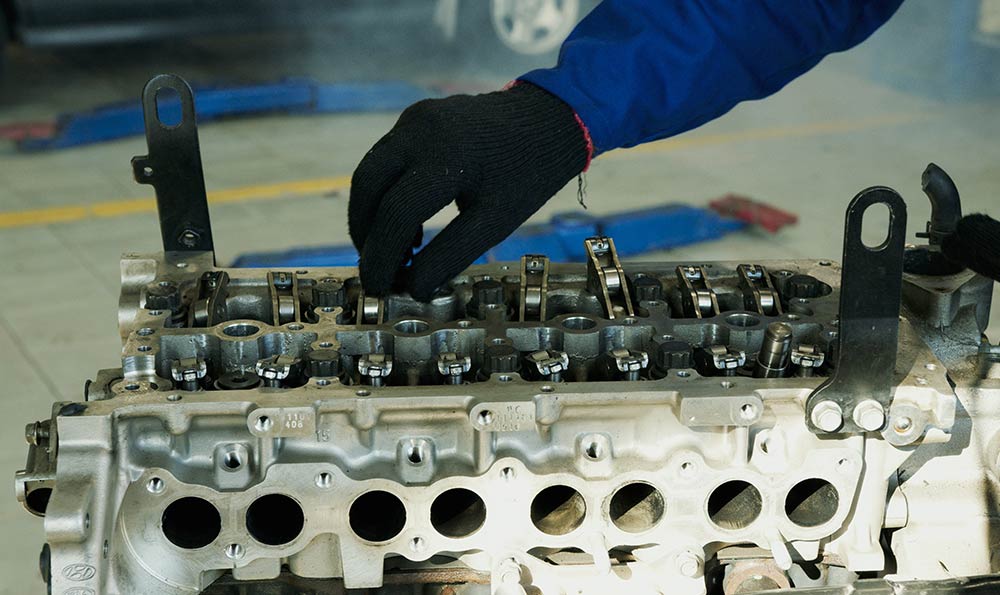
静电喷涂粉末设备是一种常用于涂装行业的设备,通过静电原理将粉末涂料附着在工件表面,形成均匀且具有较高附着力的涂层。它在家居、汽车、电器等行业中得到广泛应用。
二、工作原理
静电喷涂粉末设备通过高压静电喷涂枪将带电粉末吹向带有反电荷的工件,利用静电吸引力使粉末附着在工件表面。粉末通过喷涂枪的喷嘴均匀喷洒,并在被喷涂工件表面形成一层均匀的粉末涂层。
三、优势
1. 节约涂料: 相比传统涂装方法,静电喷涂粉末设备可以更有效地利用粉末涂料,减少浪费,降低涂料成本。
2. 节约能源: 静电喷涂粉末设备采用无溶剂喷涂,不需要加热干燥,节约能源消耗。
3. 节约时间: 静电喷涂粉末设备喷涂速度快,可以在较短的时间内完成涂装工作,提高生产效率。
4. 环保健康: 静电喷涂粉末设备不含有机溶剂和挥发性有机化合物,对环境和工作人员健康无害。
四、应用领域
1. 家居行业: 静电喷涂粉末设备广泛应用于家具、门窗等家居产品的涂装,可以提供良好的耐磨性和装饰效果。
2. 汽车行业: 静电喷涂粉末设备用于汽车零部件的涂装,能够提供较好的防腐蚀性和抗磨损性。
3. 电器行业: 静电喷涂粉末设备用于电器产品的涂装,能够提供绝缘防护和耐高温性能。
五、发展趋势
1. 技术改进: 静电喷涂粉末设备将继续进行技术改进,提高喷涂效果和涂料利用率,满足不同行业对涂装品质的要求。
2. 自动化发展: 静电喷涂粉末设备将向着自动化方向发展,实现更高的生产效率和质量稳定性。
3. 环保要求: 随着环保要求的提高,静电喷涂粉末设备将更加注重减少废气和废液排放,降低对环境的影响。
六、总结
静电喷涂粉末设备通过静电原理实现粉末涂料的均匀附着,具有节约涂料、节约能源和环保健康等优势。它在家居、汽车、电器等行业中有着广泛的应用,并且将在技术改进和自动化发展的推动下继续发展。环保要求的提高也将推动静电喷涂粉末设备朝着更环保的方向发展。
静电粉末和氟碳喷涂
静电粉末喷涂和氟碳喷涂是现代工业生产中常见的两种表面涂装技术。它们被广泛应用于各个行业,如汽车制造、家电生产、建筑装饰等。本文将介绍这两种喷涂技术的原理和应用,并探讨它们的优缺点。
静电粉末喷涂是一种利用静电吸附原理进行表面喷涂的方法。将具有颜色和特殊性能的粉末喷涂材料通过喷枪均匀地喷射到要涂装的材料表面上。通过加热或静电作用,使粉末在材料表面形成均匀的涂层。静电粉末喷涂具有高效率、较低的喷涂成本和优异的耐候性的优点。它适用于涂装大面积的金属制品,如汽车车身、家电外壳等。静电粉末喷涂还可以实现多种颜色的喷涂,使产品具有更好的外观效果。
与之相比,氟碳喷涂是一种以氟碳树脂为主要材料的喷涂技术。氟碳树脂具有优异的耐化学腐蚀性和耐候性,能够在恶劣的环境下保持材料的优良性能。氟碳喷涂主要应用于建筑装饰领域,如铝合金门窗、幕墙等。氟碳喷涂能够使建筑物表面具有抗紫外线、耐高温和耐酸碱性等特性,并且具有出色的耐候性,能够保持长时间的美观。
静电粉末和氟碳喷涂也存在一些缺点。静电粉末喷涂在喷涂过程中产生的废气和废粉对环境有一定的污染,并且在涂装一些特殊形状的物体时存在涂料流失的问题。而氟碳喷涂的成本相对较高,且在施工过程中需要严格控制温度和湿度,以保证涂层的质量。
静电粉末和氟碳喷涂是两种常见的表面涂装技术。它们在不同的行业中有着广泛的应用,并各自具有独特的优点和局限性。了解这些技术的原理和应用,有助于我们更好地理解现代工业生产中的表面涂装技术,并为相关行业的发展提供有力的支持。
Electrostatic Powder Coating and Fluorocarbon Coating
Electrostatic powder coating and fluorocarbon coating are two common surface coating technologies in modern industrial production. They are widely used in various industries, such as automotive manufacturing, home appliance production, and architectural decoration. This article will introduce the principles and applications of these two coating technologies, as well as discuss their advantages and disadvantages.
Electrostatic powder coating is a method of surface coating that utilizes the principle of electrostatic attraction. Firstly, the powder coating material with color and special properties is uniformly sprayed onto the surface of the material to be coated using a spray gun. Then, through heating or static electricity, the powder forms a uniform coating on the material surface. Electrostatic powder coating has the advantages of high efficiency, lower coating cost, and excellent weather resistance. It is suitable for coating large areas of metal products, such as automobile bodies and home appliance casings. Electrostatic powder coating can also achieve multiple colors of coating, giving the product a better appearance.
In comparison, fluorocarbon coating is a coating technology that uses fluorocarbon resin as the main material. Fluorocarbon resin has excellent chemical resistance and weather resistance, which can maintain the excellent performance of materials in harsh environments. Fluorocarbon coating is mainly used in the field of architectural decoration, such as aluminum alloy doors and windows, curtain walls, etc. Fluorocarbon coating can make the surface of buildings have characteristics such as UV resistance, high temperature resistance, and acid and alkali resistance, and it has outstanding weather resistance, maintaining long-lasting beauty.
However, electrostatic powder coating and fluorocarbon coating also have some disadvantages. Electrostatic powder coating generates waste gas and waste powder during the coating process, which causes certain pollution to the environment. It also has the problem of coating loss when coating special-shaped objects. On the other hand, fluorocarbon coating has relatively high costs, and strict control of temperature and humidity is required during the construction process to ensure the quality of the coating.
In conclusion, electrostatic powder coating and fluorocarbon coating are two common surface coating technologies. They have wide applications in different industries and each has its own unique advantages and limitations. Understanding the principles and applications of these technologies can help us better understand surface coating technologies in modern industrial production and provide strong support for the development of related industries.
静电吸附喷涂粉末
一、静电吸附喷涂粉末的定义和原理
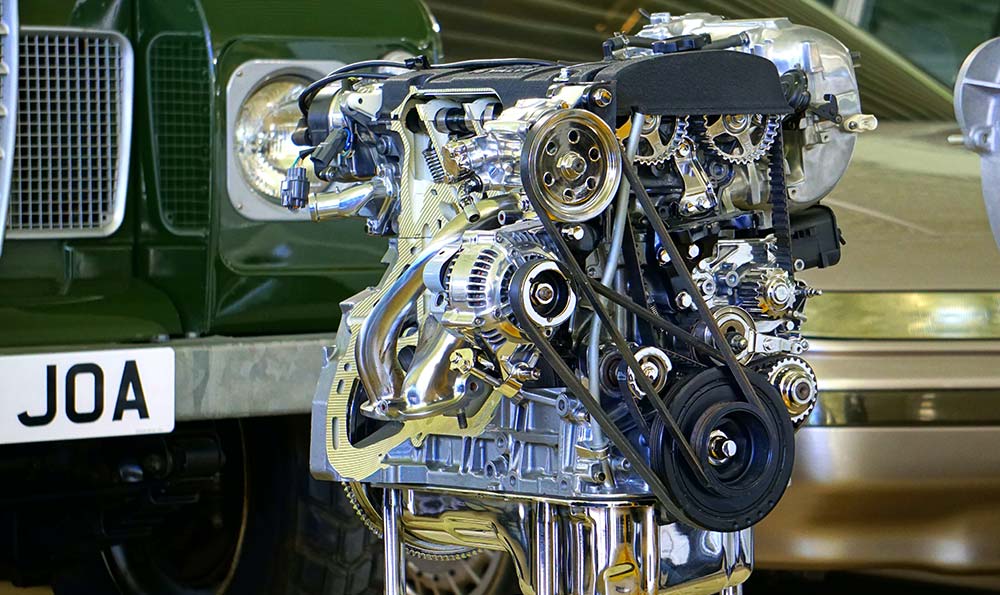
静电吸附喷涂粉末是一种常见的涂料喷涂技术,它利用静电力将粉末颗粒吸附在物体表面,形成均匀而耐久的保护层。它的原理很简单,就是借助静电的作用,将粉末颗粒带上电荷,然后将其喷洒到希望涂覆的物体上。由于物体表面带有相反电荷,粉末颗粒会被静电力吸附在物体上。
举个例子,我们可以将静电吸附喷涂粉末看作是喷洒在物体上的一堆小磁铁粉末。当我们将这些粉末喷洒到带有相应磁性的物体上时,它们会被磁力吸附在物体上,形成一个均匀的涂层。同样地,静电吸附喷涂粉末也能够在物体表面形成均匀而耐久的保护层。
二、静电吸附喷涂粉末的优势和应用领域
静电吸附喷涂粉末具有许多优势,使其在各个行业中得到广泛应用。静电吸附喷涂粉末能够形成均匀而耐久的涂层,能够提供长期的保护和美观效果。静电吸附喷涂粉末比传统的喷漆技术更环保,不含有有机溶剂,减少了对环境的污染。它也减少了工作人员的健康风险,不会对他们的呼吸系统造成伤害。
静电吸附喷涂粉末广泛应用于汽车、家具、电子产品等领域。在汽车制造过程中,静电吸附喷涂粉末可以用于汽车外观的喷涂,形成坚固的保护层,防止腐蚀和损伤。在家具制造中,静电吸附喷涂粉末可以用于木材喷涂,提供美观的表面效果和有效的保护。在电子产品制造中,静电吸附喷涂粉末可以用于塑料外壳的喷涂,提供耐用和阻燃的特性。
三、静电吸附喷涂粉末的工艺和设备
静电吸附喷涂粉末的工艺是一个复杂且精细的过程,它需要一定的设备来实现。需要将粉末颗粒进行充电,可以通过摩擦、电子束器或喷嘴来实现。需要将带有电荷的粉末颗粒喷洒到希望涂覆的物体上,可以通过喷枪或喷雾装置来实现。需要将物体加热,以使喷涂的粉末颗粒熔融并形成涂层,可以通过烤箱或烘干设备来实现。
四、静电吸附喷涂粉末的发展和趋势
静电吸附喷涂粉末作为一种先进的喷涂技术,随着科技的发展,不断得到改进和创新。一些新型的喷涂粉末材料正在研发中,以提供更高的保护性能和更好的表面效果。一些智能化的设备也在出现,以提高喷涂效率和精度。静电吸附喷涂粉末作为一种高效、环保且经济的喷涂技术,将在未来得到更广泛的应用和发展。
静电吸附喷涂粉末是一种利用静电力将粉末颗粒吸附在物体表面的涂料喷涂技术。它具有均匀、耐久、环保等优势,在汽车、家具、电子产品等领域得到广泛应用。静电吸附喷涂粉末的工艺包括充电、喷洒和加热,需要特定的设备来实现。随着科技的发展,静电吸附喷涂粉末将不断创新和改进,成为更高效、环保的喷涂技术。