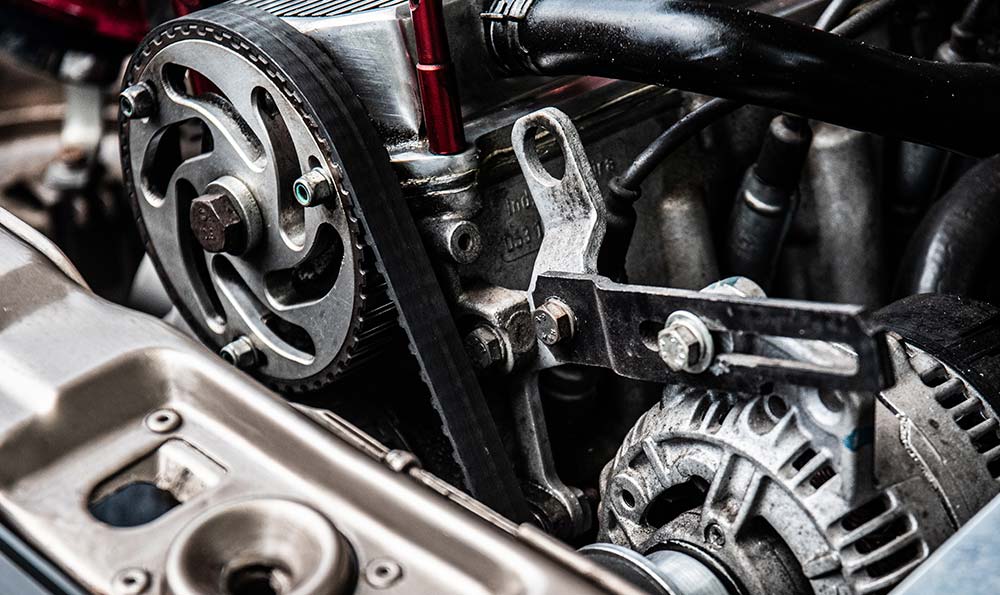
电气与机械是两个不同的工程领域,它们在技术、应用和工作原理等方面存在着显著的差异。本文将通过定义、分类、举例和比较等方法,客观、专业、清晰和系统地阐述电气与机械的区别。
正文:
电气和机械是工程学中的两个重要分支领域,它们分别研究电力和机械能的应用及相关技术。电气工程主要涉及电力的生成、传输和应用,而机械工程则关注机械系统的设计、制造和维护。
在定义上,电气工程是指应用电力进行设计、制造和维护的技术领域。它包括电力系统、电机、电子电路、自动化控制等方面,为人们提供了各种电力设备和相关应用。而机械工程则是应用力学、材料学和工程学等原理,对机械系统进行设计、制造和维护的技术学科。
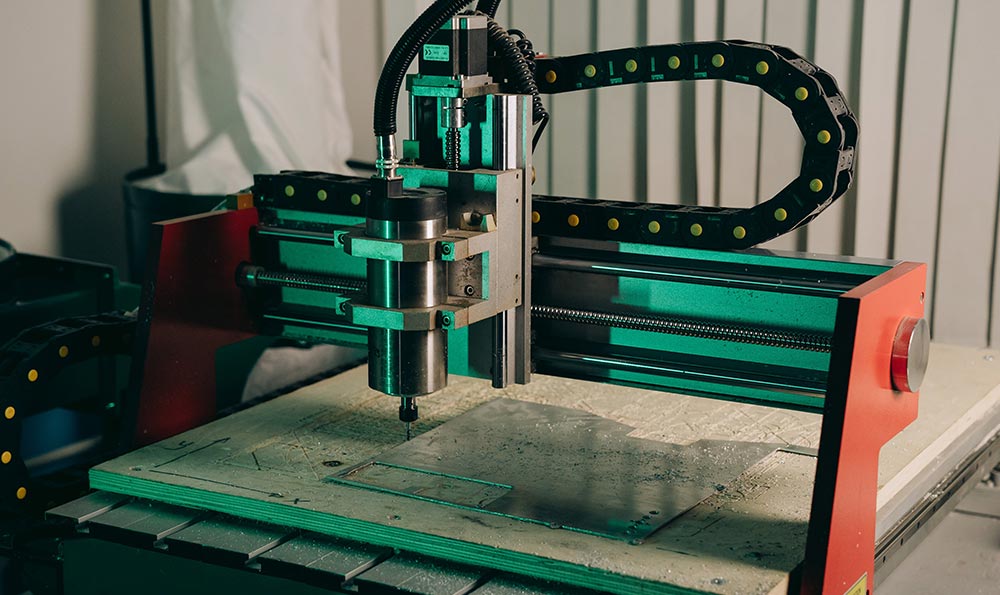
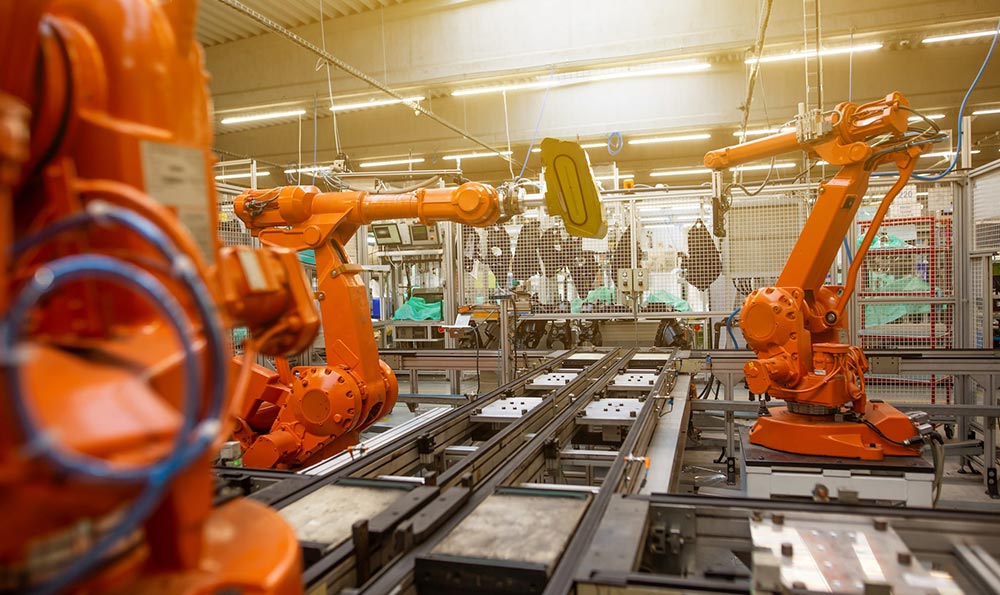
从应用范围上看,电气工程广泛应用于能源、通信、交通、计算机等领域。电气工程师可以设计电力系统,使得电力能够高效地传输到各个地方,确保人们的日常生活用电安全可靠。机械工程则主要应用于制造业、交通运输、航空航天等领域。机械工程师可以设计和制造各种机械设备,例如机床、汽车、飞机等,以满足人们的不同需求。
在工作原理上,电气工程主要涉及电流、电压、电磁场等电学概念。电气工程师需要理解和应用这些原理来设计电气系统,并保证其正常运行。相比之下,机械工程主要涉及力、速度、功率等物理概念。机械工程师需要掌握这些原理,并将其应用于机械系统的设计和分析中。
电气工程和机械工程在工作环境和工具上也存在差异。电气工程师常常需要使用电子设备和工具,如电表、示波器和计算机软件,来测试和分析电路和电力系统。而机械工程师则通常使用机械工具和设备,如测量仪器、机床和CAD软件,来制造和维护机械设备。
电气与机械在定义、应用范围、工作原理和工作环境等方面存在着明显的区别。电气工程主要关注电力的应用与传输,而机械工程则侧重于机械系统的设计与制造。虽然两者在某些领域有着交叉与合作,但它们各自独特的特点和技术使其成为两个独立且重要的工程领域。
The Difference Between Electrical and Mechanical Engineering
Introduction:
Electrical and mechanical engineering are two different branches of engineering that have significant differences in terms of technology, applications, and working principles. This article aims to objectively, professionally, clearly, and systematically explain the differences between electrical and mechanical engineering through methods such as definition, classification, examples, and comparisons.
Body:
Electrical and mechanical engineering are two important branches in the field of engineering. Electrical engineering focuses on the application of electricity, such as the generation, transmission, and usage of electrical power, while mechanical engineering deals with the design, manufacturing, and maintenance of mechanical systems.
In terms of definition, electrical engineering refers to the technical field that applies electricity to design, manufacture, and maintain electrical systems. It includes aspects such as power systems, electric motors, electronic circuits, and automation control, providing various electrical equipment and related applications. On the other hand, mechanical engineering is the technical discipline that applies principles of mechanics, materials science, and engineering to design, manufacture, and maintain mechanical systems.
In terms of application scope, electrical engineering is widely applied in the fields of energy, communication, transportation, and computer science. For example, electrical engineers can design power systems to efficiently transmit electricity to various locations, ensuring the safe and reliable use of electricity in people\'s daily lives. Mechanical engineering, on the other hand, is primarily applied in industries such as manufacturing, transportation, and aerospace. Mechanical engineers can design and manufacture various mechanical equipment such as machine tools, automobiles, and aircraft to meet people\'s different needs.
In terms of working principles, electrical engineering mainly involves electrical concepts such as current, voltage, and electromagnetic fields. Electrical engineers need to understand and apply these principles to design electrical systems and ensure their normal operation. In contrast, mechanical engineering primarily deals with physical concepts such as force, velocity, and power. Mechanical engineers need to understand and apply these principles to design and analyze mechanical systems.
In addition, there are also differences between electrical engineering and mechanical engineering in terms of work environments and tools. Electrical engineers often need to use electronic devices and tools such as multimeters, oscilloscopes, and computer software to test and analyze circuits and electrical systems. Mechanical engineers, on the other hand, typically use mechanical tools and equipment such as measuring instruments, machine tools, and CAD software to manufacture and maintain mechanical equipment.
Conclusion:
In conclusion, electrical and mechanical engineering have distinct differences in terms of definition, application scope, working principles, and work environments. Electrical engineering focuses on the application and transmission of electrical power, while mechanical engineering emphasizes the design and manufacturing of mechanical systems. Although there is some intersection and collaboration between the two in certain areas, their unique characteristics and technologies make them two independent and important branches of engineering.
AUTOCAD电气版和机械版的区别
AUTOCAD是一款广泛应用于工程设计和制图的计算机辅助设计软件,它根据不同行业的需求,推出了多个版本,如电气版和机械版。本文将探讨AUTOCAD电气版和机械版的区别,以帮助读者更好地了解和选择适合自己行业需求的版本。
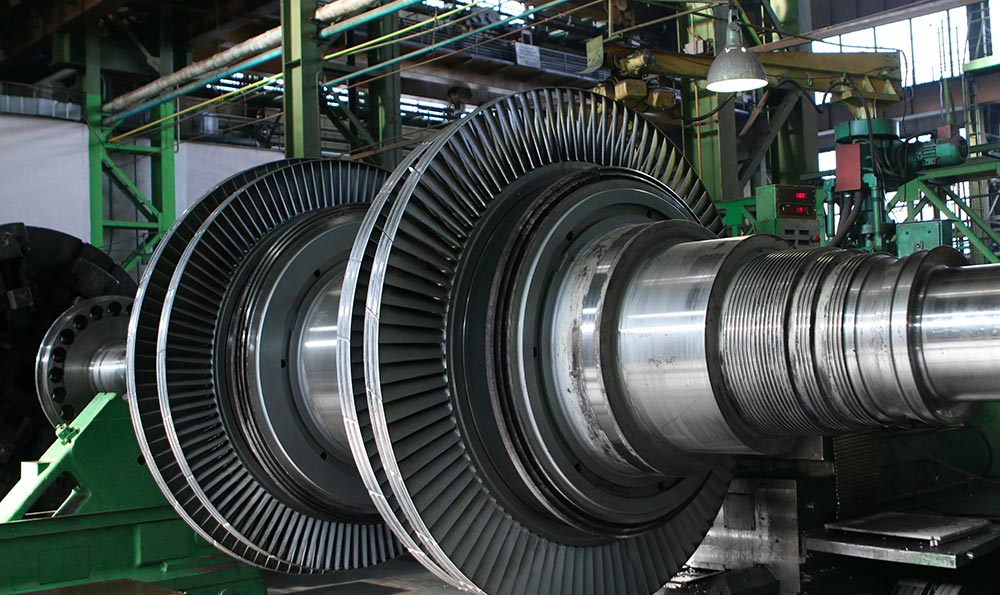
让我们来看看AUTOCAD电气版。这个版本专注于电气设计领域,为电气工程师提供了一系列特定工具和功能。AUTOCAD电气版可以帮助工程师快速创建和修改电气控制系统的设计图纸。它包含了大量的电气符号库和标准组件,使工程师能够精确地绘制电路图、布线图和电气布局图。AUTOCAD电气版还提供了自动编号和标注功能,使得设计过程更加高效和准确。它还可以进行电气元件的三维建模,帮助工程师更好地理解电气系统的空间布局。
与之相对应的是AUTOCAD机械版。这个版本则是针对机械设计和制造领域而开发的。它提供了丰富的机械设计工具和功能,帮助工程师设计、模拟和分析机械产品。AUTOCAD机械版可以轻松创建各种复杂的机械零件和装配结构,同时提供了强大的CAD绘图和编辑功能。它还具有智能标准零件库和材料库,使得工程师能够快速选择和应用标准化的零件和材料。AUTOCAD机械版还支持机械系统的运动仿真和应力分析,帮助工程师评估产品的性能和可靠性。
AUTOCAD的电气版和机械版在功能和应用领域上存在明显的差异。电气版主要用于电气控制系统的设计和布局,而机械版则更适用于机械产品的设计和制造。根据行业需求,读者可以选择适合自己的版本,提高工作效率和设计质量。
AUTOCAD的电气版和机械版各具特色,满足不同行业的设计需求。通过了解这两个版本的区别,读者可以更好地选择适合自己的版本,并在工程设计过程中提高效率和质量。无论是电气工程师还是机械工程师,都可以从AUTOCAD的不同版本中受益,并在自己的领域中取得更好的成果。
机械接口和电气接口区别
一、机械接口的定义和特点
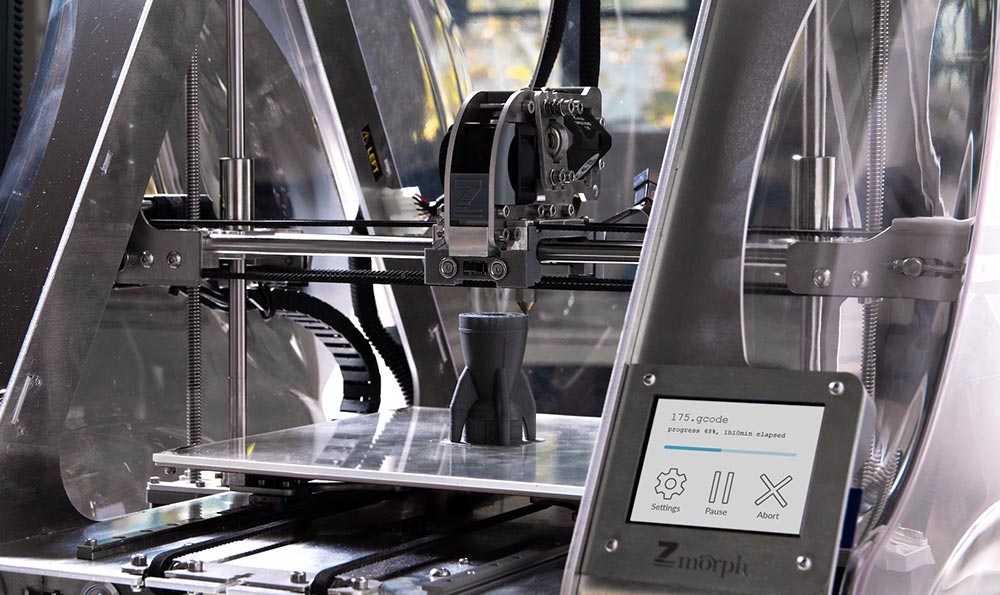
机械接口是指由机械元件组成的接口,用于连接两个或多个机械设备或零部件。机械接口的主要特点包括耐磨性、耐腐蚀性、结构稳定性和可靠性。机械接口通常由金属材料制成,具有较高的强度和刚度。机械接口的连接方式包括螺纹连接、键连接、销连接等。
二、电气接口的定义和特点
电气接口是指由电气元件组成的接口,用于连接电气设备或电路。电气接口的主要特点包括导电性、绝缘性、阻抗匹配性和信号传输性能。电气接口通常由金属导体和绝缘材料构成,具有良好的导电性和绝缘性能。电气接口的连接方式包括插拔连接、焊接连接、压接连接等。
三、机械接口和电气接口的区别
1. 功能不同:机械接口主要用于支持和连接机械设备,保证其运动和工作正常进行;而电气接口主要用于传输电能和信号,实现电气设备的控制和通信。
2. 物理特性不同:机械接口注重结构稳定性和耐磨性,需要承受较大的力和振动;电气接口注重电气导通和绝缘性能,需要满足特定的电流和电压要求。
3. 连接方式不同:机械接口通常采用螺纹连接、键连接等固定方式,以保证连接的牢固和稳定;电气接口通常采用插拔连接、焊接连接等方式,以实现电气信号的传输和断开。
4. 设计需求不同:机械接口的设计主要考虑结构强度、工作环境和力学特性等因素;电气接口的设计主要考虑电气特性、信号传输和防干扰能力等因素。
四、机械接口和电气接口的应用领域
机械接口广泛应用于机械制造、汽车工业、航空航天等领域,用于连接机械设备和零部件,实现机械系统的功能和运动。电气接口广泛应用于电子通信、电力系统、自动化控制等领域,用于传输电能和信号,实现电气设备的控制和通信。
机械接口和电气接口在功能、物理特性、连接方式和设计需求等方面存在明显区别。了解和掌握机械接口和电气接口的特点和区别,对于正确选择和使用接口、提高设备性能和可靠性具有重要意义。