制冷设备是指能够把低温热能传递给高温环境,达到降低温度的目的的设备。而制冷设备加冷媒则是指在制冷设备中加入冷媒以实现制冷效果的过程。制冷设备加冷媒在各个行业广泛应用,包括家用空调、商用冷柜、工业冷却装置等。本文将通过定义、分类、举例和比较等方法来阐述制冷设备加冷媒的相关知识。

制冷设备加冷媒是一种常见的制冷技术,通过选择合适的冷媒,在制冷循环中的蒸发、压缩、冷凝和膨胀等过程中,达到降低温度的目的。不同的制冷设备加冷媒的方式和冷媒种类不同,因此在实际应用中需要根据具体需求进行合理选择。
一、冷媒的定义和分类
冷媒是制冷设备中的重要组成部分,主要用于转移热量,并在制冷循环中的蒸发和冷凝过程中吸收和释放热量。根据冷媒的物理性质,可以将冷媒分为传统冷媒和新型冷媒两大类。
1. 传统冷媒
传统冷媒是指使用时间较长,应用广泛的冷媒,如氟利昂、氨、氯甲烷等。这些冷媒具有较高的冷却效果和传热性能,但同时也存在环境污染和安全风险。由于国际环保要求的提高,一些传统冷媒的使用受到限制。
2. 新型冷媒
新型冷媒是指近年来研发出的,具有较低环境污染和较高安全性能的冷媒,如环保型制冷剂R134a、R410a等。这些冷媒在制冷循环中能够提供更好的制冷效果,并且对地球大气层的臭氧层破坏较小。
二、制冷设备加冷媒的实际应用举例
制冷设备加冷媒在各个行业都有广泛的应用。以下是一些常见的实际应用举例:
1. 家用空调
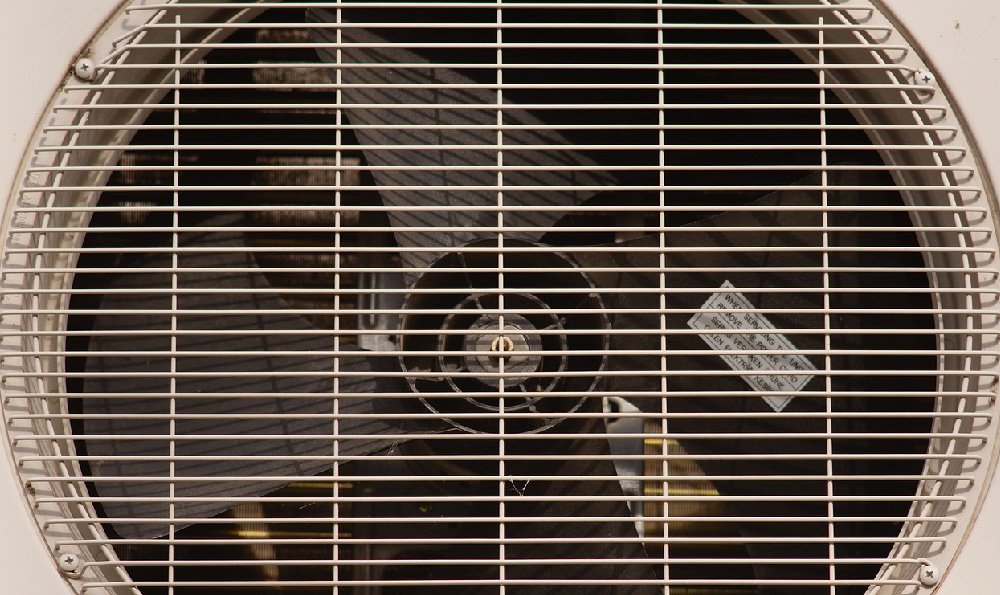
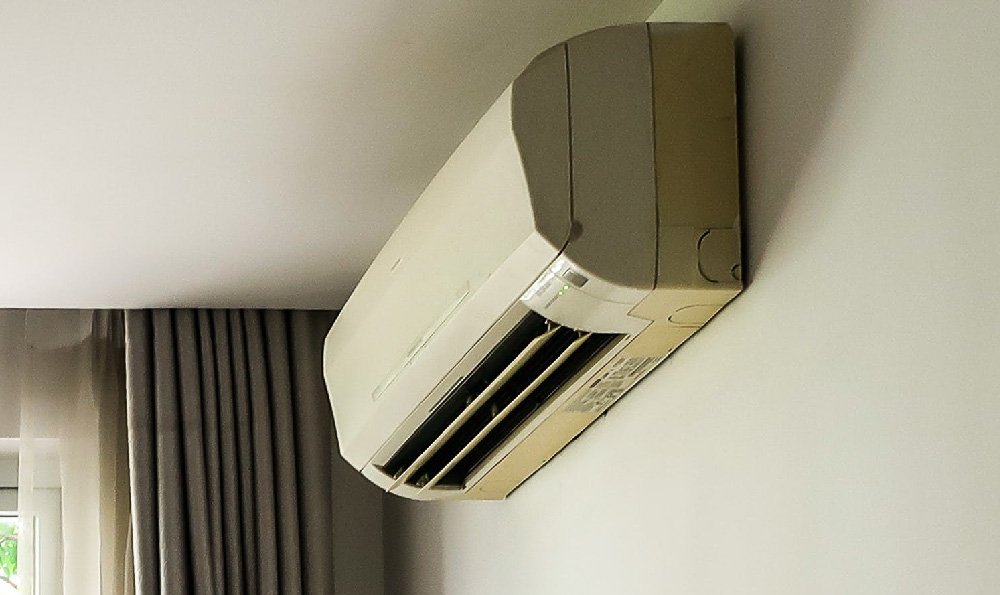
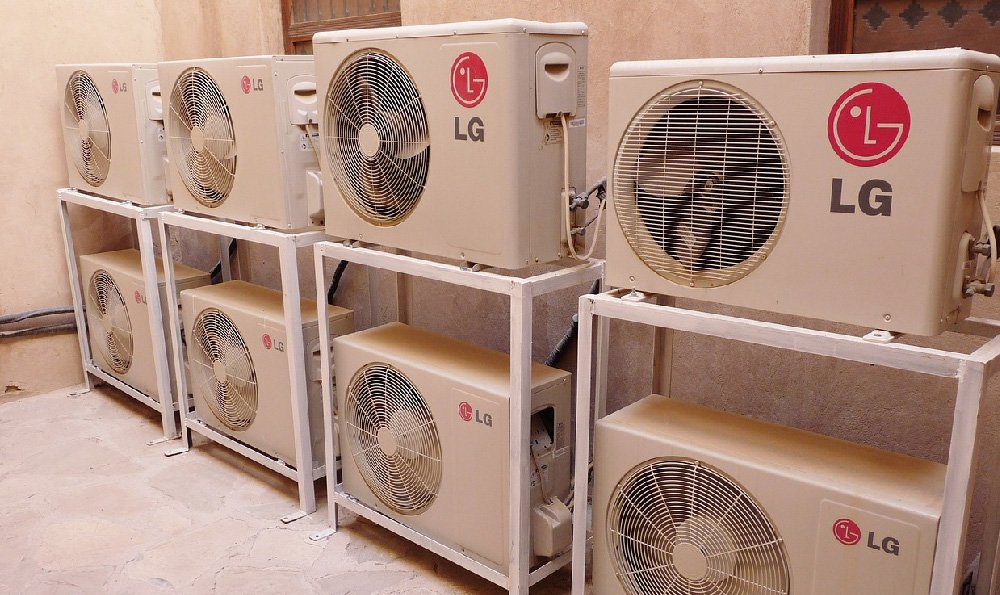
家用空调是人们日常生活中最常接触的制冷设备,其中加入的冷媒通常是新型环保型冷媒。这些冷媒能够在较低的能耗下提供较好的制冷效果,为人们创造了舒适的居住环境。
2. 商用冷柜
商用冷柜广泛应用于超市、酒店、餐饮等场所,用于储存和展示食品、饮料等物品。商用冷柜中加入的冷媒通常是传统冷媒,这些冷媒能够在较低的温度下提供稳定的冷却效果,确保储存物品的新鲜度和品质。
3. 工业冷却装置
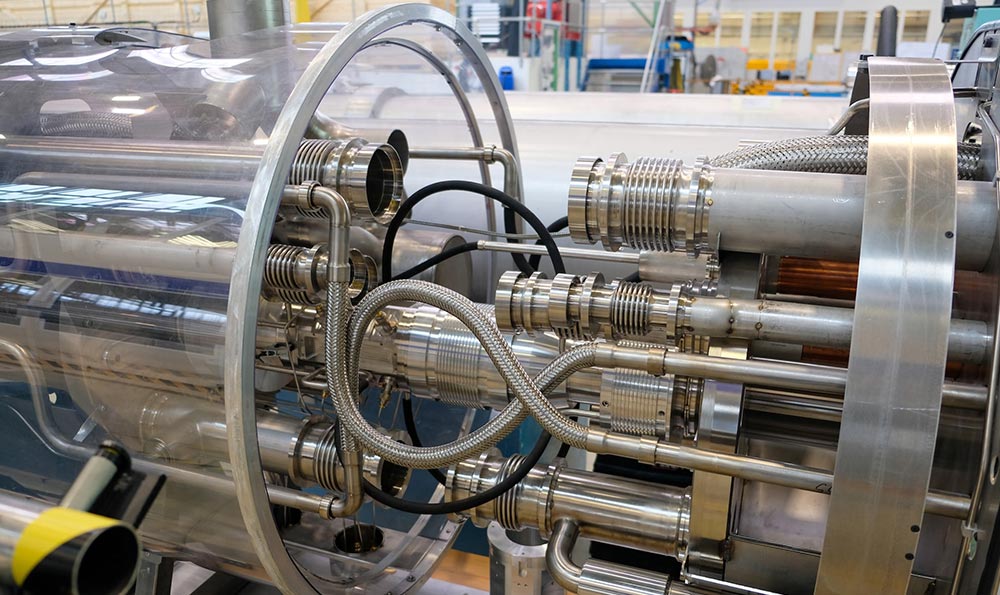
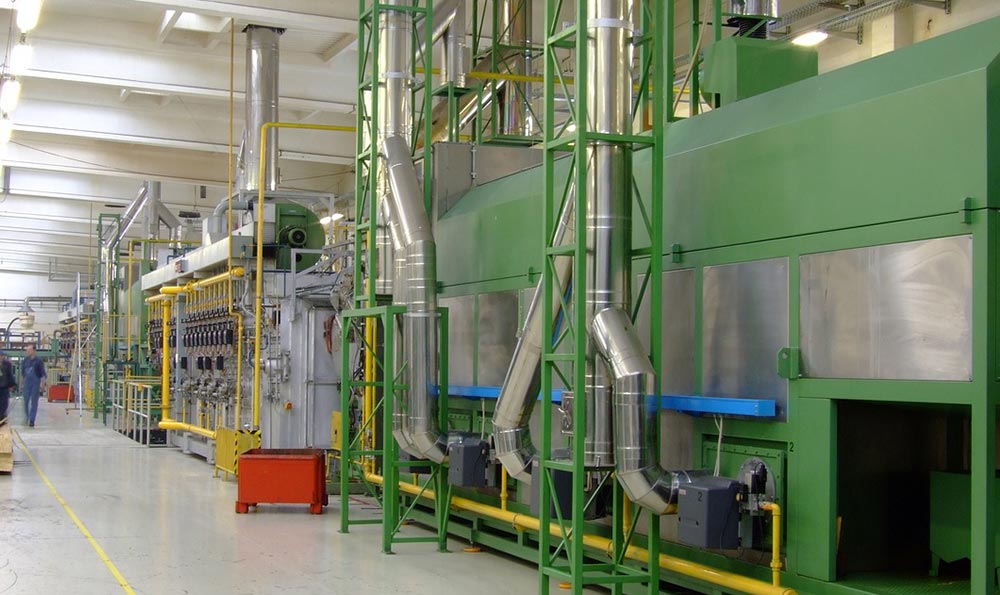
工业冷却装置广泛应用于电力、化工、制药等行业,用于冷却生产过程中产生的热量。工业冷却装置中加入的冷媒通常是传统冷媒,如氨。这些冷媒具有较高的冷却效果和传热性能,能够满足工业生产中对温度控制的需求。
制冷设备加冷媒是一种重要的制冷技术,通过选择合适的冷媒可以实现制冷设备的高效工作。在实际应用中,需要根据具体需求选择适合的冷媒种类,以达到最佳的制冷效果。随着环保要求的提高和技术的不断创新,新型环保型冷媒将会得到更广泛的应用,为人们的生活和工作环境提供更舒适和安全的制冷效果。
【参考译文】
The refrigeration equipment combined with refrigerant refers to the process of adding refrigerant in the refrigeration equipment to achieve the purpose of refrigeration. The application of refrigeration equipment combined with refrigerant is widely used in various industries, including household air conditioners, commercial refrigerators, industrial cooling devices, etc. This article will explain the related knowledge of refrigeration equipment combined with refrigerant through methods such as definition, classification, examples, and comparison.
【Introduction】
The refrigeration equipment combined with refrigerant is a common refrigeration technology. By selecting the appropriate refrigerant, it can achieve the purpose of reducing temperature through the processes of evaporation, compression, condensation, and expansion in the refrigeration cycle. The methods and types of refrigeration equipment combined with refrigerant are different, so it is necessary to choose rationally according to specific needs.
【Body】
I. Definition and classification of refrigerant
Refrigerant is an important component in refrigeration equipment, mainly used to transfer heat and absorb and release heat in the processes of evaporation and condensation in the refrigeration cycle. According to the physical properties of refrigerants, refrigerants can be divided into traditional refrigerants and new refrigerants.
1. Traditional refrigerants
Traditional refrigerants refer to refrigerants that have been used for a long time and are widely used, such as fluorine-containing hydrocarbons, ammonia, and chloromethane. These refrigerants have high cooling and heat transfer performance, but they also have environmental pollution and safety risks. Due to the increasing international environmental requirements, the use of some traditional refrigerants is restricted.
2. New refrigerants
New refrigerants refer to refrigerants developed in recent years with lower environmental pollution and higher safety performance, such as environmentally friendly refrigerants R134a and R410a. These refrigerants can provide better refrigeration effects in the refrigeration cycle and have less impact on the ozone layer in the Earth\'s atmosphere.
II. Examples of practical applications of refrigeration equipment combined with refrigerant
The refrigeration equipment combined with refrigerant has a wide range of applications in various industries. Here are some common examples:
1. Household air conditioners
Household air conditioners are the most commonly encountered refrigeration equipment in daily life. The refrigerants added to them are usually new environmentally friendly refrigerants. These refrigerants can provide better refrigeration effects with lower energy consumption, creating a comfortable living environment for people.
2. Commercial refrigerators
Commercial refrigerators are widely used in supermarkets, hotels, restaurants, and other places for storing and displaying food, beverages, and other items. The refrigerants added to commercial refrigerators are usually traditional refrigerants, which can provide stable cooling effects at low temperatures, ensuring the freshness and quality of stored items.
3. Industrial cooling devices
Industrial cooling devices are widely used in industries such as electric power, chemical, and pharmaceutical for cooling the heat generated during the production process. The refrigerants added to industrial cooling devices are usually traditional refrigerants, such as ammonia. These refrigerants have high cooling and heat transfer performance, meeting the temperature control needs in industrial production.
【Conclusion】
The refrigeration equipment combined with refrigerant is an important refrigeration technology, and selecting the appropriate refrigerant can achieve efficient operation of the refrigeration equipment. In practical applications, it is necessary to choose the suitable type of refrigerant according to specific needs to achieve the best refrigeration effect. In the future, with the increasing environmental requirements and continuous technological innovation, new environmentally friendly refrigerants will be more widely used, providing more comfortable and safe refrigeration effects for people\'s living and working environments.
制冷设备冷媒加注过程中要注意的参数有哪些
制冷设备冷媒是制冷设备正常运行的关键。冷媒加注是制冷设备维护中的重要环节,参数的正确掌握能够确保制冷设备的性能和安全。本文将从温度、压力、流量和质量四个方面,介绍制冷设备冷媒加注过程中需要注意的参数。
一、温度参数
温度是制冷设备冷媒加注中最基本的参数之一。在加注前,需要了解制冷设备的工作温度范围,以避免加注过程中冷媒在设备内部过度膨胀或压缩而引发故障。还需注意环境温度的影响,确保温度适宜,避免在高温或低温情况下加注冷媒。
二、压力参数
压力是冷媒加注过程中需要特别注意的参数。加注时,需要确保制冷设备的工作压力范围,并根据设备手册中的要求进行调整。如果压力过高,可能导致设备损坏或冷媒泄漏;如果压力过低,可能会导致设备无法正常工作。在加注冷媒时,必须注意并控制好压力参数。
三、流量参数
流量是冷媒加注过程中一个重要的参数。加注冷媒时,需要确保流量稳定并适中,以保证冷媒能够充分循环。如果流量过小,可能导致设备冷却不够,影响制冷效果;如果流量过大,可能导致设备过载,加剧设备的磨损和故障。在加注冷媒时,需要根据设备要求和实际情况进行流量的调整和控制。
四、质量参数
质量是冷媒加注过程中最关键的一个参数。加注冷媒前,需要确保冷媒的纯度符合要求。冷媒纯度过低可能导致设备性能下降和损坏;冷媒纯度过高可能导致设备无法正常工作。还需要关注冷媒的含水量和杂质含量,以避免设备受到腐蚀和损坏。在冷媒加注过程中,要对冷媒的质量进行严格检查和控制。
制冷设备冷媒加注过程中需要注意的参数包括温度、压力、流量和质量。正确掌握这些参数,能够确保制冷设备的正常运行和安全性能。在加注冷媒时,要根据设备要求和实际情况进行调整和控制,以保证冷媒的加注质量和设备的长期稳定运行。
制冷设备冷媒堵了怎么处理
冷媒是制冷设备中至关重要的组成部分,它在制冷过程中起到传热和制冷的作用。有时候冷媒会堵塞,导致设备无法正常运行。冷媒堵了应该如何处理呢?
当冷媒堵塞时,操作者应该保持冷静。他们可以先检查设备的压力和温度,以确定是否存在冷媒堵塞的问题。应该排除其他可能导致设备故障的因素,如电力供应不稳定等。这样有助于确保问题的准确定位。
如果确认冷媒堵塞的问题存在,操作者应该立即停止使用设备,并切断电源。这是为了防止进一步损坏设备或产生其他危险。操作者需要借助仪器,如电子检测仪和压力表,来进一步确定冷媒堵塞的位置和程度。
操作者可以尝试使用专业的工具和方法来清除冷媒堵塞。他们可以使用冲洗剂来溶解冷媒中的堵塞物,并借助特殊的冷媒泵来恢复正常的循环。在执行这些步骤之前,操作者应该详细了解设备的使用说明和操作规程,以确保操作的正确性和安全性。
如果以上方法无法解决冷媒堵塞的问题,操作者应该及时寻求专业的帮助。他们可以联系制冷设备的制造商或维修人员,寻求他们的建议和支持。在与专业人士沟通时,操作者应该提供详细的设备信息、堵塞状况和操作过程,以便专业人士能够更好地理解问题,并提供适当的解决方案。
在处理冷媒堵塞的过程中,操作者应该遵守相关的安全规范和操作规程。他们应该佩戴适当的防护装备,如手套和护目镜,以避免接触到有害物质。操作者应该注意设备的正常运行状态,如噪音和震动,以及设备周围的环境条件,如温度和湿度,以提前发现潜在的问题。
当制冷设备的冷媒堵塞时,操作者应该保持冷静,并通过检查和排除其他可能的故障因素来确定问题的准确性。他们可以尝试使用专业的工具和方法来清除冷媒堵塞。如果问题无法解决,及时寻求专业的帮助是必要的。在处理过程中,操作者应该遵守安全规范,并保持设备和环境的监测,以确保操作的安全性和有效性。