手动立式注塑机模具是一种用于塑料制品注塑加工的重要工具。它结构紧凑,操作简单易行,广泛应用于各个行业。本文将介绍手动立式注塑机模具的特点、应用以及未来发展趋势。
手动立式注塑机模具的特点: 手动立式注塑机模具相比于其他注塑机模具具有多种特点。它的结构设计紧凑,占据空间小,方便在工业生产线上进行安装和移动。由于采用了立式注塑的工艺,模具的制作相对较简单,成本也较低。手动操作的设计让使用者可以更加灵活地控制注塑过程,提高生产效率。
手动立式注塑机模具的应用: 手动立式注塑机模具广泛应用于各个行业,涵盖了塑料制品的生产和加工。它可以用于制造塑料盒子、容器、玩具等消费品。它也可以应用于汽车零部件、电子产品外壳等工业产品的制造。由于手动立式注塑机模具的特点,它在小批量生产和定制化生产中具备更大的优势。
手动立式注塑机模具的未来发展趋势: 随着科技的不断进步和工业生产的不断发展,手动立式注塑机模具也在不断改进和创新。随着数字化技术的应用,手动立式注塑机模具的操作界面将更加智能化,操作更加便捷。随着环保和可持续发展的要求,模具材料的选择将更加注重环保性能,减少对环境的污染。手动立式注塑机模具还将更多地应用于高精度、高复杂度产品的制造领域。
手动立式注塑机模具的前景: 手动立式注塑机模具作为一种重要的注塑加工设备,具有广阔的市场前景。随着人们对于塑料制品的需求不断增长,手动立式注塑机模具将得到更多的应用和推广。随着工业生产智能化和自动化程度的提高,手动立式注塑机模具也将逐渐向自动化方向发展,为工业生产提供更高效、更精确的解决方案。
手动立式注塑机模具在塑料制品加工行业中具有重要的地位和作用。它的特点和应用广泛,未来发展趋势看好。相信随着科技的进步和工业生产的不断发展,手动立式注塑机模具的性能和效率将不断提高,为各个行业的生产提供更好的解决方案。
手动立式注塑机模具型号
手动立式注塑机是一种常用的注塑成型设备,广泛应用于塑料制品生产行业。注塑机模具的选择对于产品质量和生产效率具有重要影响。本文将通过定义、分类、举例和比较等方法,系统地阐述手动立式注塑机模具型号的相关知识。
手动立式注塑机模具型号是指用于手动立式注塑机的模具的型号。模具是注塑成型过程中的关键部件,其种类繁多,不同型号的模具适用于不同的产品和生产要求。了解手动立式注塑机模具型号以及其特点对于提高产品质量和生产效率具有重要意义。
【段落1】
手动立式注塑机模具型号可以根据其结构和功能进行分类。按照结构分类,手动立式注塑机模具型号可以分为单脱模和双脱模两种。单脱模适用于生产单一形状的产品,而双脱模则可以同时生产两个或更多形状相同或不同的产品。按照功能分类,手动立式注塑机模具型号可以分为普通模具和特殊模具两种。普通模具适用于常规产品的生产,而特殊模具则适用于特殊形状或要求复杂的产品生产。
【段落2】
手动立式注塑机模具型号的选择需要考虑产品特点和生产要求。以单脱模为例,当生产的产品形状相对简单且要求一致时,可以选择单脱模。双脱模则适用于生产多个形状相同或不同的产品,可以提高生产效率。特殊模具适用于对产品形状和要求有特殊要求的生产,例如具有内腔结构或特殊装配要求的产品。
【段落3】
除了结构和功能,手动立式注塑机模具型号还有其他参数需要考虑。模具的尺寸、加工精度、使用寿命等都是选择模具时需要考虑的因素。尺寸的选择要根据产品的大小和形状来确定,加工精度则需要根据产品的质量要求来选择。使用寿命是衡量模具好坏的指标之一,通常需要选择使用寿命较长的模具,以降低生产成本和维护成本。
【段落4】
手动立式注塑机模具型号的选择也可以通过比较不同厂家的产品来进行。不同厂家生产的模具质量可能存在差异,因此需要对模具的性能、价格、服务等方面进行综合考虑。可以通过参考其他企业的经验或咨询专业人士对模具进行选择,以确保所选模具的适用性和性价比。
手动立式注塑机模具型号的选择是一个复杂而重要的问题,需要考虑产品特点、生产要求以及模具参数等因素。只有选择合适的模具型号,才能提高产品质量和生产效率。通过本文的介绍,相信读者对手动立式注塑机模具型号有了更深入的了解,能够在实际应用中做出更好的选择。
【参考译文】
The manual vertical injection molding machine mold model refers to the model of the mold used for the manual vertical injection molding machine. The mold is a key component in the injection molding process, and its various models are suitable for different products and production requirements. Therefore, understanding the mold models of the manual vertical injection molding machine and their characteristics is of great significance for improving product quality and production efficiency.
【Introduction】
The mold model of the manual vertical injection molding machine refers to the model of the mold used for the manual vertical injection molding machine. The mold is a key component in the injection molding process, and its various models are suitable for different products and production requirements. Therefore, understanding the mold models of the manual vertical injection molding machine and their characteristics is of great significance for improving product quality and production efficiency.
【Body】
【Paragraph 1】
The mold models of the manual vertical injection molding machine can be classified according to their structure and function. According to the structure, the mold models of the manual vertical injection molding machine can be divided into single-cavity and multi-cavity molds. Single-cavity molds are suitable for the production of products with a single shape, while multi-cavity molds can simultaneously produce two or more products with the same or different shapes. According to the function, the mold models of the manual vertical injection molding machine can be divided into regular molds and special molds. Regular molds are suitable for the production of conventional products, while special molds are suitable for the production of products with special shapes or complex requirements.
【Paragraph 2】
The selection of mold models for manual vertical injection molding machines needs to consider product characteristics and production requirements. Taking single-cavity molds as an example, when the shape of the product is relatively simple and requires consistency, a single-cavity mold can be selected. Multi-cavity molds are suitable for the production of multiple products with the same or different shapes, which can improve production efficiency. At the same time, special molds are suitable for the production of products with special shape and requirements, such as products with internal cavity structures or special assembly requirements.
【Paragraph 3】
In addition to structure and function, there are other parameters to consider when selecting the mold models for manual vertical injection molding machines. For example, the size, processing accuracy, service life, etc., are factors that need to be considered when choosing a mold. The selection of size should be based on the size and shape of the product, and the processing accuracy should be selected based on the quality requirements of the product. The service life is one of the indicators to measure the quality of the mold. Generally, molds with longer service life should be selected to reduce production costs and maintenance costs.
【Paragraph 4】
The selection of mold models for manual vertical injection molding machines can also be done by comparing products from different manufacturers. The quality of molds produced by different manufacturers may vary, so it is necessary to consider the performance, price, service, and other aspects of the molds comprehensively. By referring to the experience of other companies or consulting professionals, the selection of molds can be ensured to be applicable and cost-effective.
【Conclusion】
The selection of mold models for manual vertical injection molding machines is a complex and important issue, which needs to consider product characteristics, production requirements, and mold parameters. Only by choosing the right mold model can product quality and production efficiency be improved. Through the introduction in this article, it is believed that readers have a deeper understanding of the mold models of manual vertical injection molding machines and can make better choices in practical applications.
手动立式注塑机模具设计
一、立式注塑机模具的定义和作用
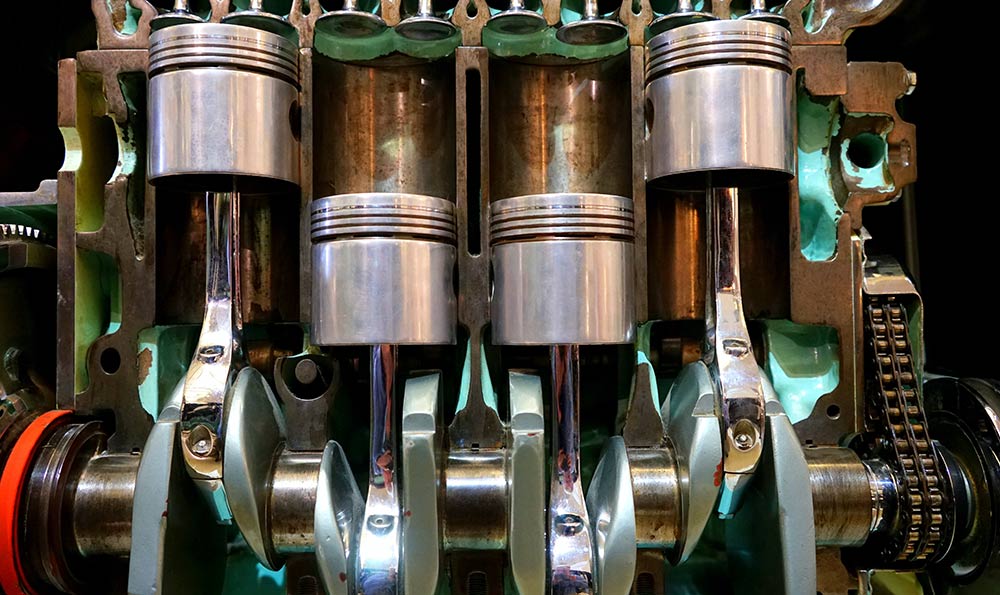
立式注塑机模具是用于制造塑料制品的设备,通过将塑料加热熔融后注入模具中,冷却固化后脱模得到成品。模具设计是整个注塑过程中至关重要的一环,直接影响着产品的质量和生产效率。
二、立式注塑机模具设计的要点
1. 理解产品需求:模具设计师需要对所要生产的产品有充分的了解,包括尺寸、形状、材料等方面的要求,以确保模具的设计符合产品需求。
2. 设计模具结构:根据产品的形状和尺寸,设计合理的模具结构,包括模具的开模方式、注塑系统、冷却系统等,以保证产品的成型质量和生产效率。
3. 材料选择:根据产品的要求和使用环境,选择合适的模具材料,包括模具钢材和热处理方式,以提高模具的硬度、耐磨性和使用寿命。
4. 模具加工工艺:根据模具的结构和材料,选择合适的加工工艺,包括数控加工、电火花加工等,以确保模具的精度和表面质量。
5. 模具调试和改进:通过对已生产的产品进行检测和分析,及时调整和改进模具设计,以提高产品质量和生产效率。
三、立式注塑机模具设计的优势
1. 空间利用率高:立式注塑机模具可在垂直方向上进行注塑,可有效利用有限的生产空间,提高生产效率。
2. 注塑过程稳定:立式注塑机模具设计合理,可保证注塑过程的稳定性,减少因模具结构问题而导致的产品缺陷。
3. 模具更换方便:立式注塑机模具在更换时无需翻转,操作更加方便快捷,减少了生产中的停机时间,提高了生产效率。
4. 适用范围广:立式注塑机模具适用于各种尺寸和形状的产品生产,可满足不同行业的需求。
四、立式注塑机模具设计与市场需求
随着塑料制品的广泛应用,立式注塑机模具设计的需求也在不断增加。各行各业对于产品质量和生产效率的要求越来越高,对模具设计的精度和创新能力提出了更高的要求。
五、立式注塑机模具设计的发展趋势
1. 自动化技术应用:随着智能制造的发展,立式注塑机模具设计将越来越多地应用自动化技术,实现模具的智能化和自动化生产。
2. 精度和质量要求提升:随着产品质量和生产效率的要求提高,立式注塑机模具设计将更加注重精度和质量控制,以满足市场需求。
3. 节能环保技术的应用:立式注塑机模具设计将更加注重节能环保技术的应用,减少能耗和环境污染,实现可持续发展。
六、结语
立式注塑机模具设计在塑料制品生产中起着重要作用,它的优势和发展趋势将不断推动整个行业的发展。通过不断的技术创新和优化设计,立式注塑机模具设计将为各行各业提供更好的产品质量和生产效率。